

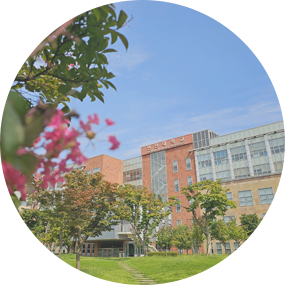
The College of Humanities currently consists of the Department of Korean Language and Literature, the Department of English Language and Literature, the Department of Japanese Language and Literature, the Department of Chinese Language and Literature, the Department of German Language and Literature, and the Department of French Language and Literature. These departments provide education in various disciplines related to national and world cultures through Korean language and literature and foreign language education.
- Introduction to the College of Humanities
- Department of Korean Language and Literature Go to Homepage
- Department of English Language and Literature Go to Homepage
- Department of German Language and Literature Go to Homepage
- Department of French Language and Literature Go to Homepage
- Department of Japanese Regional Culture Go to Homepage
- Department of Chinese Language and Literature Go to Homepage Go to Homepage
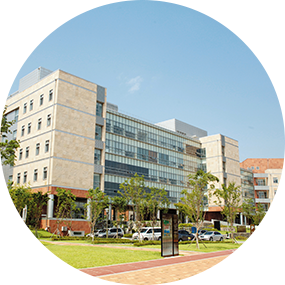
The College of Natural Sciences was established to foster basic science, research and develop new scientific technologies, and cultivate talent to contribute to the advancement of science and technology. In 1980, the Departments of Mathematics, Physics, Chemistry, Biology, and Home Economics were newly established, and in 1988, the Department of Clothing and Lifestyle was established, leading to its elevation to the College of Natural Sciences. In 2012, the Department of Oceanography was established. Currently, the college is organized into the Natural Sciences Division (Departments of Mathematics, Physics, Chemistry, and Oceanography) and the Life Sciences Division (Department of Fashion Industry).
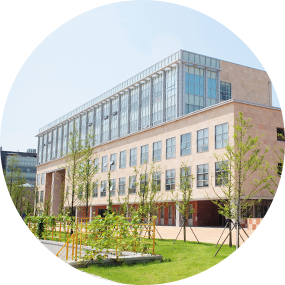
The College of Social Sciences was established to foster talent capable of leading social change and contributing to social development. In 2011, the School of Ethics and Social Welfare was changed to the Department of Social Welfare.
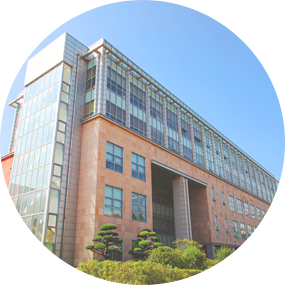
The Global College of Political Science and Economics was established in March 2016 to realize the educational philosophy of the INU Songdo Vision, which is to “nurture local talents who grew up in less privileged regions into global talents.” By utilizing extensive domestic and international networks to strengthen field-linked education, the Global College of Political Science and Economics will focus on cultivating mid-level working professionals who will play active roles in local communities and international workplaces.
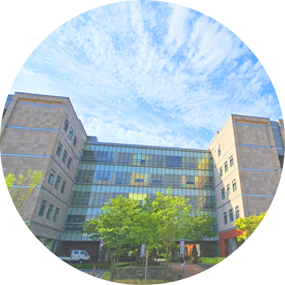
With the educational goal of “fostering professional technicians equipped with responsibility, ethical awareness, comprehensive design capabilities, field work skills, and creativity,” the College of Engineering is making various efforts to cultivate talents with international competitiveness and future-oriented professional knowledge.
- Introduction to the College of Engineering Go to Homepage
- Department of Mechanical Engineering Go to Homepage
- Electrical Engineering Department Go to Homepage
- Department of Electronic Engineering Go to Homepage
- Department of Industrial and Management Engineering Go to Homepage
- Department of New Materials Engineering Go to Homepage
- Safety Engineering Department Go to Homepage
- Department of Energy and Chemical Engineering Go to Homepage
- Bio-Robot Systems Engineering Go to Homepage
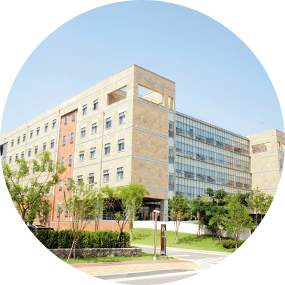
The advancement of information technology has led to the emergence of the Internet, various wireless communication devices, and digital TV, and has driven the development of the cultural content industry, establishing it as a representative industry of Korea. The College of Information Technology conducts education aimed at fostering technical development personnel who meet the demands of the industry, as well as leading the theoretical advancement of information technology.
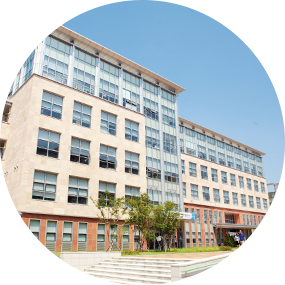
The College of Business Administration was established the year after Incheon University was founded and has shared the history and tradition of Incheon University since its early days. The Department of Business Administration (Day and Night) was established in 1979 and upgraded to the College of Economics and Commerce in 1988. Through a process of establishing and separating three departments and majors before its name was changed to the College of Business Administration in 2006, the College of Business Administration currently comprises the School of Business Administration, the Department of Taxation and Accounting, and the Department of Techno-Management.
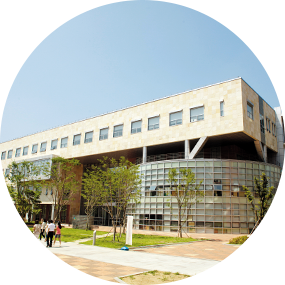
The College of Arts and Physical Education consists of the School of Fine Arts and the School of Physical Education. The School of Fine Arts is divided into majors in Korean Painting, Western Painting, and Design, providing specialized education in each field to produce leaders and experts. The School of Physical Education is divided into the School of Physical Education and the School of Sports and Health Sciences; the School of Physical Education conducts theoretical and practical education in physical education to train professional sports instructors and physical education teachers.
- Introduction to the College of Arts and Physical Education
- Korean Painting Major (Department of Fine Arts) Go to Homepage
- Western Painting Major (Faculty of Fine Arts) Go to Homepage
- Department of Design Go to Homepage
- Department of Performing Arts Go to Homepage
- Department of Sports Science Go to Homepage
- Department of Exercise and Health Go to Homepage
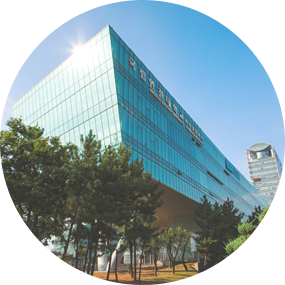
The College of Education established the Department of Early Childhood Education in the 2010 academic year and seven new departments in the 2011 academic year, currently operating a total of eight departments. The College of Education aims to foster secondary teachers and excellent experts in various education-related fields who possess leadership, creative, and competent qualities by teaching and researching professional knowledge and practice regarding general education and subject education.
- Introduction to the College of Education
- Department of Korean Language Education Go to Homepage
- English Education Department Go to Homepage
- Japanese Language Education Department Go to Homepage
- Mathematics Education Department Go to Homepage
- Department of Physical Education Go to Homepage
- Early Childhood Education Department Go to Homepage
- History Education Department Go to Homepage
- Department of Ethics Education Go to Homepag Go to Homepage
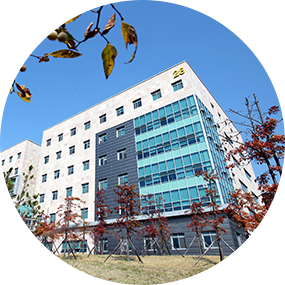
The College of Urban Sciences conducts convergent education and research in practical disciplines aimed at providing realistic solutions to the diverse and complex phenomena of the city. To meet the demands of the times for a sustainable, future-oriented city characterized by human-centeredness, low-carbon green growth, the convergence of cutting-edge techniques, high-quality design, and the establishment of ubiquitous urban systems, the college seeks to create new urban value by creatively and innovatively solving current urban problems and leading the paradigms required by future society.
- Introduction to the College of Urban Sciences
- Department of Urban Administration Go to Homepage
- Construction and Environmental Engineering Go to Homepage
- Environmental Engineering Go to Homepage
- Department of Urban Engineering Go to Homepage
- Architectural Engineering Go to Homepage
- Urban Architecture Go to Homepage
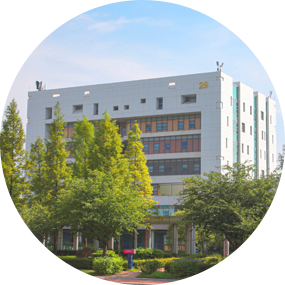
There are many industries related to the pharmaceutical and biological fields in the region, making it necessary to cultivate specialized personnel capable of entering these sectors; however, training personnel based solely on biology, a basic science, has limitations in contributing to the enhancement of national competitiveness. Therefore, by placing related departments such as nanotechnology (N) and information technology (I) based on biotechnology within a single college, we aim to not only create new industries through interdependent technological convergence but also produce new added value by integrating technologies, products, and services.
- Introduction to the College of Life Sciences and Technology Go to Homepage
- School of Life Sciences (Life Sciences Major) Go to Homepage
- School of Life Sciences (Molecular Biomedical Sciences) Go to Homepage
- Department of Biotechnology (Biotechnology Major) Go to Homepage
- School of Biotechnology (Major in Nanobioengineering) Go to Homepage
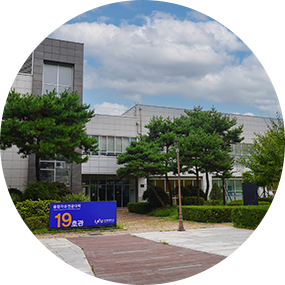
The College of Convergence and Liberal Studies supports students in exploring diverse academic fields and freely selecting and designing majors that match their aptitudes and interests, while fostering future-oriented talents equipped with free and creative thinking and capabilities.
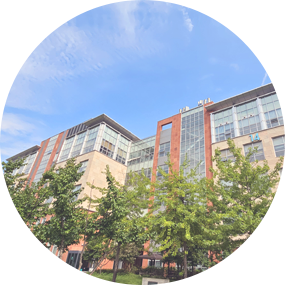
Since the 2016 academic year, the existing four trade majors (Russia, the United States, Japan, and China) have been integrated into the Northeast Asian Trade Major exclusively for domestic students and the Korean Trade Major exclusively for international students.
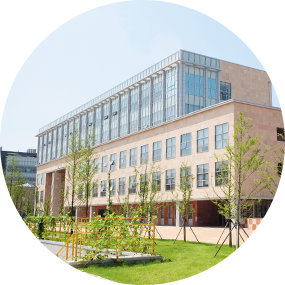
The Faculty of Law aims to: 1. foster professional legal practitioners, 2. cultivate legal experts for various professional fields, and 3. train legal experts in preparation for the era of Northeast Asia as a center. The Department of Law was established in 1980 and elevated to the College of Law in 1997. In March 2020, the organization was restructured into the Faculty of Law as an independent faculty.