Incheon National University Selected for the “2026 Science and Engineering Research Stipend Support Program”
- 글번호
- 421561
- 작성일
- 2026-03-23
- 수정일
- 2026-03-23
- 작성자
- 홍보과 (032-835-9490)
- 조회수
- 51
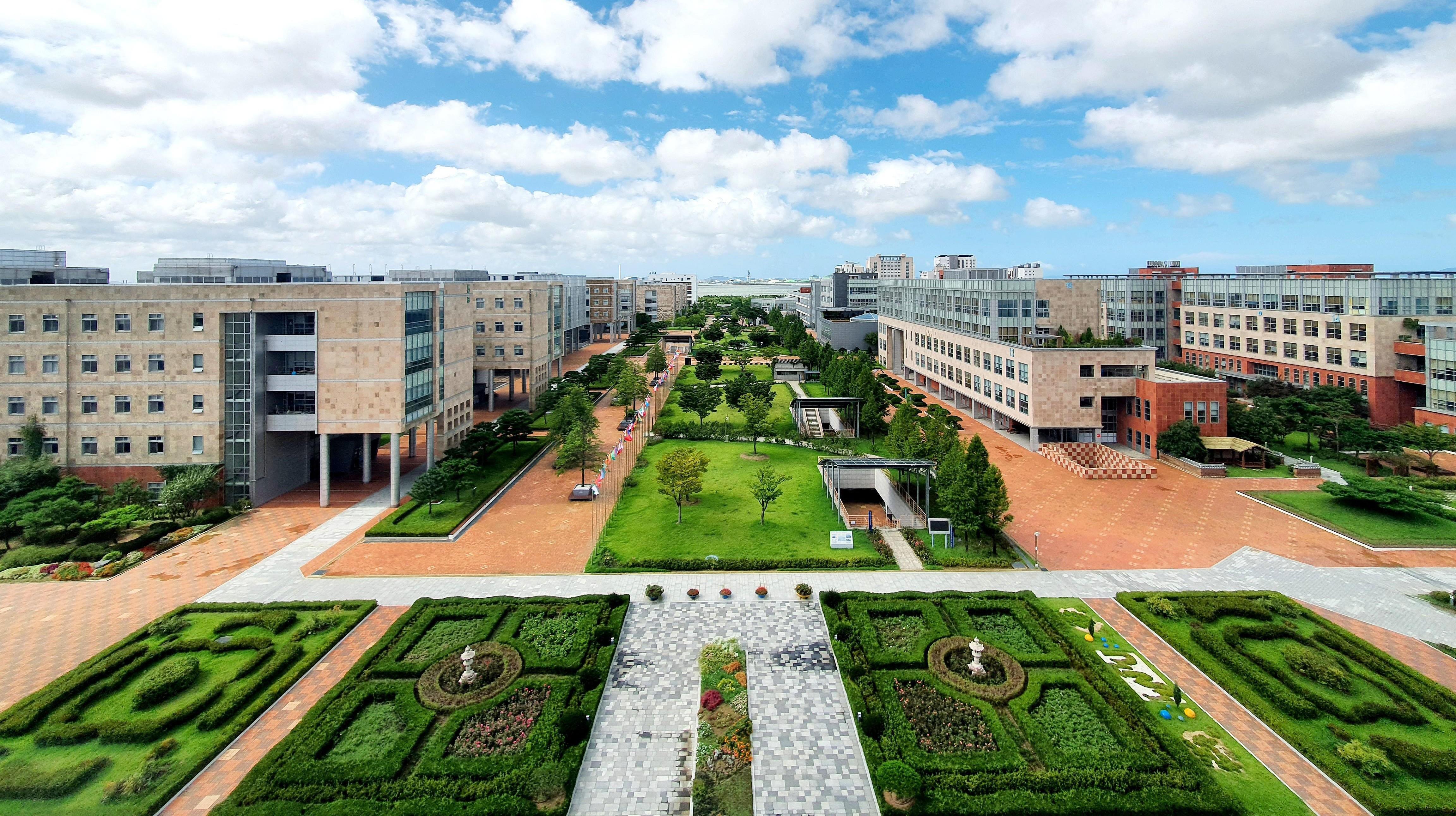
Songdo Campus
Incheon National University (President: In-jae Lee) announced on the 10th that it has been newly selected in 2026 as a participating university in the “Science and Engineering Research Stipend Support Program” led by the Ministry of Science and ICT.
The Science and Engineering Research Stipend Support Program is a new initiative launched in 2025 to ensure a minimum level of financial stability for full-time graduate students in science and engineering fields. In conjunction with existing student support funds managed by the university’s industry–academic cooperation foundation, the program guarantees a minimum monthly stipend for graduate students and supports the establishment of an integrated university-level management system for student researcher support information.
Through this selection, Incheon National University will receive approximately KRW 5.8 billion over eight years (2026–2033), with an annual budget of about KRW 728 million. Based on this support, the university plans to guarantee a minimum monthly research stipend of KRW 800,000 for master’s students and KRW 1.1 million for doctoral students, creating an environment in which graduate students can focus on research without financial burden.
Through this program, the university aims to provide a systematic growth pathway for science and engineering graduate students to develop into leading researchers in future science and technology fields. To this end, it plans to significantly enhance the student researcher support and personnel cost management system, while further strengthening graduate-centered research capabilities based on advanced research support infrastructure.
Having steadily expanded its research foundation through various national R&D projects, Incheon National University will further advance its graduate student support system through this initiative. This is expected to increase research immersion among graduate students, promote high-quality research outcomes, and strengthen the university’s competitiveness as a research-oriented institution.
The head of the university’s Industry–Academic Cooperation Foundation stated, “This selection will serve as a practical driving force in creating a stable research ecosystem that enables science and engineering graduate students to fully dedicate themselves to their studies and research,” adding, “We will continue to innovate the graduate research environment and expand support for nurturing outstanding talent.”